On Christmas day in 1984, Carol Grieder, Ph.D., then a graduate student in the University of California, Berkley lab of Elizabeth Blackburn, Ph.D., stopped by the lab, curious to see the results of an experiment that had taken place several days earlier. Eight months of research and variations of experiments had led her to this point. There, in an image on x-ray film, was evidence that an enzyme existed that helped protect people from premature cellular aging. Ecstatic, Greider went home and danced around her living room. Fifteen years later, Blackburn, Grieder, and another scientist, Jack Szostak, Ph.D. were awarded a Nobel Prize for discovering the enzyme they named “telomerase.”
An old fad is making a comeback: the “brutally honest workplace.” From my vantage point, interacting with your colleagues using “radical candor” or “radical transparency” is a subtle—and sometimes not so subtle—form of verbal assault that seems to be spreading, given the success of firms like Bridgewater Associates, and contributing to the rise of incivility and insensitivity today. Proponents of this approach sometimes say that offering constructive criticism should come from a caring mindset but, from what I’ve seen, it merely gives the arrogant and the bullies permission to verbally attack others in the name of honesty. Fortunately, research shows the foolishness of this approach (in fact, even mild expressions of rudeness have been shown to impair team performance).
Wally Bock, a frequent contributor to ConnectionCulture.com and a leadership coach, recently published a new book titled Become a Better Boss One Tip at a Time. Wally’s practical, effective advice always resonates with readers and his book addresses common leadership challenges.
Here’s what Wally had to say about his new book and favorite leadership tips:
In his excellent TED Talk titled “Doctors make mistakes. Can we talk about that?,” physician Brian Goldman describes the first medical mistake he made, how he made mistakes “over and over again,” and how the culture he worked in made him feel “alone, ashamed and unsupported.” The culture Dr. Goldman describes contributes to widespread burnout in medicine today and it makes future medical mistakes more likely.
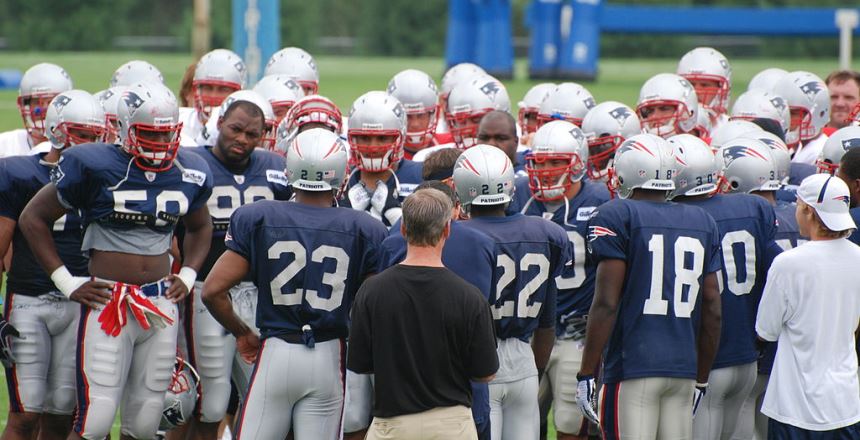
The New England Patriots just won their fifth National Football League Championship since 2002, but their success isn’t a surprise to those who study connection. Here’s what we wrote about the team in the 2007 book Fired Up or Burned Out:
“Connection Culture Discussion on TotalPicture Radio”
by Peter Clayton and Michael Stallard
Employee engagement has been a glaring and expensive problem for years, costing companies billions of dollars in lost productivity and employee turnover. I discuss this and other workplace issues with Peter Clayton, host of the Leadership Channel podcast on TotalPicture Radio.
Last year when I was teaching a Connection Culture workshop in Amsterdam, Carmina Glazenborg from Bentley Systems in Amstelveen, The Netherlands, shared with the group her experience working as an intern at Disney World in Orlando, Florida. Listen to Ms. Glazenborg’s story by clicking on the video above. (more…)
It was a pleasure speaking with Jim Blasingame, host of the Small Business Advocate program, about how to identify, diminish, and prevent professional burnout. Listen to our two-part conversation.
In 2016 you received the results of your company’s employee engagement survey. They were disappointing. In 2017 you need to understand why and make changes that will boost employee engagement.
Suppose you could hear the honest truth about what the people you are responsible for leading think you should do to engage them? Here’s what it would most likely sound like if communicated through a wise and capable spokesperson.
The human brain accounts for two percent of our body weight yet consumes 20 percent of our energy. Given the intellectual nature of most work today, we use up a considerable amount of energy. This makes getting sufficient rest essential to keeping you and your team energized.







Employee engagement has been a glaring and expensive problem for years, costing companies billions of dollars in lost productivity and employee turnover. I discuss this and other workplace issues with Peter Clayton, host of the Leadership Channel podcast on TotalPicture Radio.