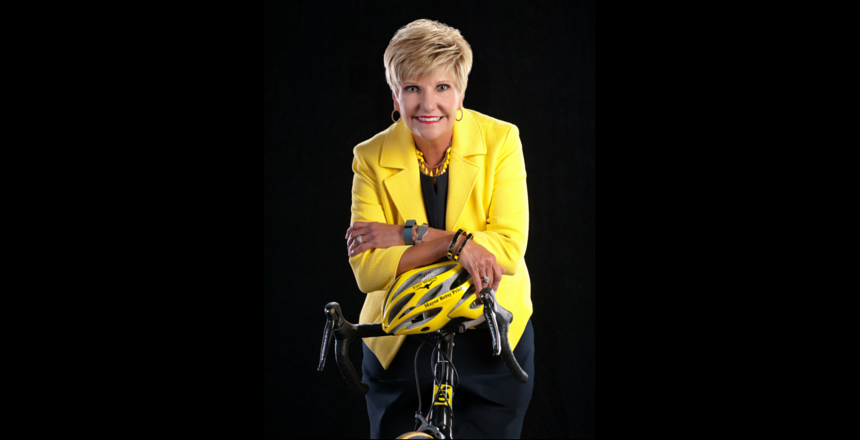
What’s So Great About Nike CEO Elliott Hill

And why he will lead the iconic company back to greatness

A recent article in The New York Times highlights the impactful leadership of Nike CEO Elliott Hill.

What stands out about Elliott is his passion for excellence and his ability to connect with people, reflecting the culture of Texas Christian University, his alma mater. The article points out that under the previous CEO, Nike had become disconnected from its star athletes and leaders in various leagues. Upon returning from retirement at the request of Nike founder Phil Knight, Elliott made it a priority to travel globally to reconnect with these key figures.

The author notes that when Elliott enters a room, he greets everyone, regardless of their status, demonstrating his respect for individuals. This approach fosters human connection, which is crucial for building trust. As Michael Jordan remarked, Elliott Hill embodies what Nike needed, emphasizing his unique ability to establish trust with athletes, partners, and individuals worldwide.

For more insights, check out the full article here.

The Surprising Leadership of J. Robert Oppenheimer

OppieFermiLawrence_860x440

This morning, I had a Zoom meeting with Jeff Moore of Moore Leadership. He was the longtime coach of the University of Texas men’s tennis team. Now Jeff is writing about leadership and he’s teaching and coaching leaders.

I’m impressed with Jeff and his work, and thought I’d share a great article he wrote that I especially enjoyed. It’s about how J. Robert Oppenheimer led the team of scientists and engineers of The Manhattan Project to make the atomic bomb before the Nazi’s did. Here’s the link to Jeff’s article, “Leadership Lessons from Oppie.”

Photo of J. Robert Oppenheimer, Enrico Fermi, and Ernest Lawrence (courtesy the Lawrence Berkeley National Laboratory) via the U.S. Department of Energy – Office of History and Heritage Resources

Is There a Place for Love in Leadership?

The Container Store's We Love Our Employees Day in 2014

“A company is stronger if bound by love than by fear,” the late Herb Kelleher, co-founder, CEO and Chairman of Southwest Airlines, once said. When Kip Tindell, retired co-founder and Chairman of The Container Store, first heard Kelleher’s bold declaration more than 40 years ago he was, in his own words, “completely taken by it.” In Tindell’s book, Uncontainable, he describes how he and his leadership team went on to shape The Container Store’s “employee first” culture in ways that reflect love. He credits the company’s culture for its success.    

4 Reasons to Lead with Questions

Leader Asking Questions

Most organization and team cultures today focus on racing to identify actionable solutions. The most effective leaders, however, take time to ask questions that get people to share their thoughts and feelings en route to identifying actionable solutions.

Over the years I’ve come to believe that rushing to a solution is often unwise and that the journey is as valuable as the destination. Here are four reasons why.

Why You May Not Be Connecting with Others

5 Gears Book Cover

We connect with some people and not with others. Great leaders master how to connect with just about everyone and that’s one reason why people want to follow them.

There are many facets to connection. Jeremie Kubicek and Steve Cockram have written an excellent book titled 5 Gears: How to Be Present and Productive When There is Never Enough Time that provides insight into an important aspect of connection.

3 Insights About Stress Every Leader Should Know

Who experiences greater levels of stress: non-leaders or the boss? When I ask this question while teaching workshops on leadership, nearly all the bosses in the room respond that they are the ones under greater stress. They’re wrong. Hard data makes it clear that non-leaders experience greater stress and in many instances it has a negative effect on their performance.

the word stress written in red pencil