New Connection Resource

Connection Culture Logo

I am thrilled to announce the launch of a project we here at E Pluribus Partners have been working on for quite some time: a brand new website dedicated to helping you foster Connection Cultures in your workplaces.

ConnectionCulture.com is a publishing site that features content from the best and brightest thinkers on connection. You’ll find thought-provoking articles on leadership, wellness, workplace issues, career advice, examples of great connectors and more.

Managers Can Connect by Offering to Help

Businessman transforming word impossible into possible#80 Ask: “What Can I Do?”

Periodically ask your direct reports what you can do to help them do their best work. Choose an action or actions they suggested and then follow up. In particular, look for obstacles that you can help remove.

This is the eightieth post in our series entitled “100 Ways to Connect.” The series highlights language, attitudes and behaviors that help you connect with others. Although the language, attitudes and behaviors focus on application in the workplace, you will see that they also apply to your relationships at home and in the community.

Carve Out Social Times to Connect at Work

ice cream

#79 Carve Out Social Times

Schedule regular social time for people to connect. Genentech has weekly Friday afternoon social times where they serve drinks and snacks. We know a manager who orders pizza and salad for his team every other Friday.

During the warm summer months, organize an ice cream social on Friday afternoon to bring your team together for conversation (include fruit for the those who prefer a more healthy alternative). You should help serve those in attendance and once everyone is served make your way around to say hello to everyone. Avoid talking about work matters and instead ask people about their interests outside of work and what they are looking forward to over the remainder of the year.

This is the seventy-ninth post in our series entitled “100 Ways to Connect.” The series highlights language, attitudes and behaviors that help you connect with others. Although the language, attitudes and behaviors focus on application in the workplace, you will see that they also apply to your relationships at home and in the community.

Find New Ways to Connect by Discussing a Story a Week

Fired Up or Burned Out Book Cover#78 Discuss a Story a Week

Part IV of Fired Up or Burned Out has 20 inspiring stories of great leaders who created Connection Cultures (see pages 132-194). Take your team through one story each week and discuss how you can employ the practices in each chapter to your workplace.

To receive a complimentary digital copy of Fired Up or Burned Out, sign up for my Connect to Thrive newsletter, which offers helpful tips and resources on connection.

This is the seventy-eighth post in our series entitled “100 Ways to Connect.” The series highlights language, attitudes and behaviors that help you connect with others. Although the language, attitudes and behaviors focus on application in the workplace, you will see that they also apply to your relationships at home and in the community.

How Leaders can Identify and Establish Core Values That Connect

Writing at Desk

If you asked your employees what the organization’s core values are, could they tell you? Most cannot.

This is a problem for leaders since it is impossible to create a healthy corporate culture, which I refer to as a “Connection Culture,” if employees can’t articulate what the organization stands for. Furthermore, the organization’s values should be ones that encourage connection and teamwork, rather than silos and dysfunctional behavior.

The following steps can help leaders to identify and establish core values that are meaningful and encourage connection across the entire organization:

Connect With Your Team by Keeping Them “In the Loop”

Business Discussion

#76 Keep Them “In the Loop”

Keep your team in the loop on issues they need to know about. Whenever possible, bring individuals into the loop who express an interest in an issue. Doing so helps people to feel prepared for what’s ahead, which reduces stress and increases engagement.

This is the seventy-sixth post in our series entitled “100 Ways to Connect.” The series highlights language, attitudes and behaviors that help you connect with others. Although the language, attitudes and behaviors focus on application in the workplace, you will see that they also apply to your relationships at home and in the community.

Divided We Stand: Treating Corporate America’s Loneliness Epidemic

Lonely Woman

By Colton Perry

Since the time of the American Revolution, the phrase “united we stand, divided we fall” has been a popular motto of the United States. It was first written by John Dickinson in the 1768 Liberty Song, and suggests that in order to thrive, we must rely on one another.

While this is one of the most recognizable sayings in America today, it is common to see the opposite in practice. A nationwide survey published in the American Sociological Review in 2006 shows that despite our proud motto, Americans are lonelier now than ever before.

To Handle Intentional Disconnectors, Wish Them Well

Intentional Disconnector

#75 Wish Them Well

Over your career you will run into intentional disconnectors. They care only about themselves. Psychologists call them the “dark triad” and they are also known as psychopaths, narcissists and Machiavellians. They have little empathy for others. They can make you furious if you let them. It’s best to avoid them and wish them well. Hopefully they will get help from a mental health professional because they need it.

This is the seventy-fifth post in our series entitled “100 Ways to Connect.” The series highlights language, attitudes and behaviors that help you connect with others. Although the language, attitudes and behaviors focus on application in the workplace, you will see that they also apply to your relationships at home and in the community.

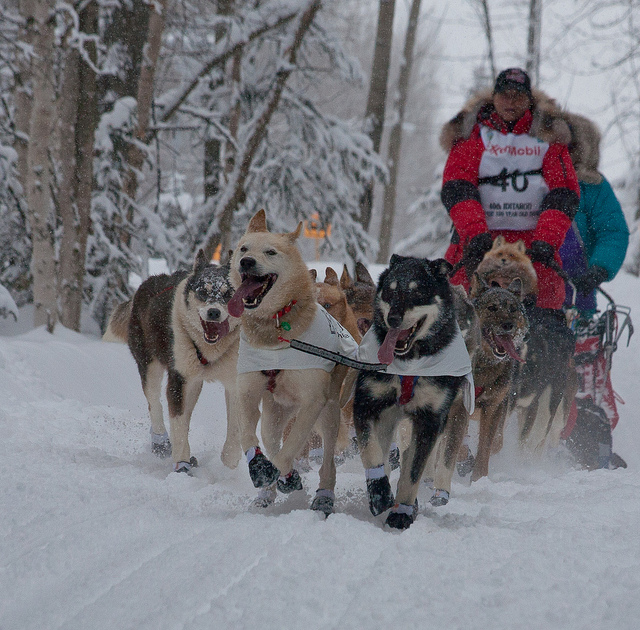
4 Teamwork Lessons from the Iditarod

Iditarod

As seen on Fox Business

Saturday begins the Iditarod, a grueling dog sled race that spans nearly 1,000 miles from Anchorage to Nome, Alaska. Not only is the terrain challenging but wind chill temperatures have fallen to as low as 130 degrees below zero in past races. The winner of the first Iditarod in 1973 took almost three weeks to finish. Today racers can complete the “Super Bowl” of dog sled races in less than 10 days.

Adversity faced by sled dog teams racing in the Iditarod makes the event a stress test for teamwork and the cohesiveness of a team’s culture. Reading about it, I could see parallels between sled dog teams and teams of people in organizations.

If You Want to Connect, Proactively Help Others

Proactively Help Others

#74 Proactively Help Others

Seize opportunities to help others. Send your colleagues any information you come across that affirms the organization’s Vision, that may help them do their jobs better, that relates to a topic they are interested in, or that may help them in some way outside of work.

This is the seventy-fourth post in our series entitled “100 Ways to Connect.” The series highlights language, attitudes and behaviors that help you connect with others. Although the language, attitudes and behaviors focus on application in the workplace, you will see that they also apply to your relationships at home and in the community.